
Mikimori is an independent project based in Murakami, Niigata, Japan.
We introduce Murakami Kibori Tsuishu, a traditional form of wood-carved lacquerware from Murakami, together with the crafts, culture, landscapes and everyday life of the region.
Rather than presenting Murakami only as a travel destination, we document the things that give the area its character: traditional craftsmanship, local festivals, historic streets, seasonal scenery and moments from everyday life.
Murakami Kibori Tsuishu
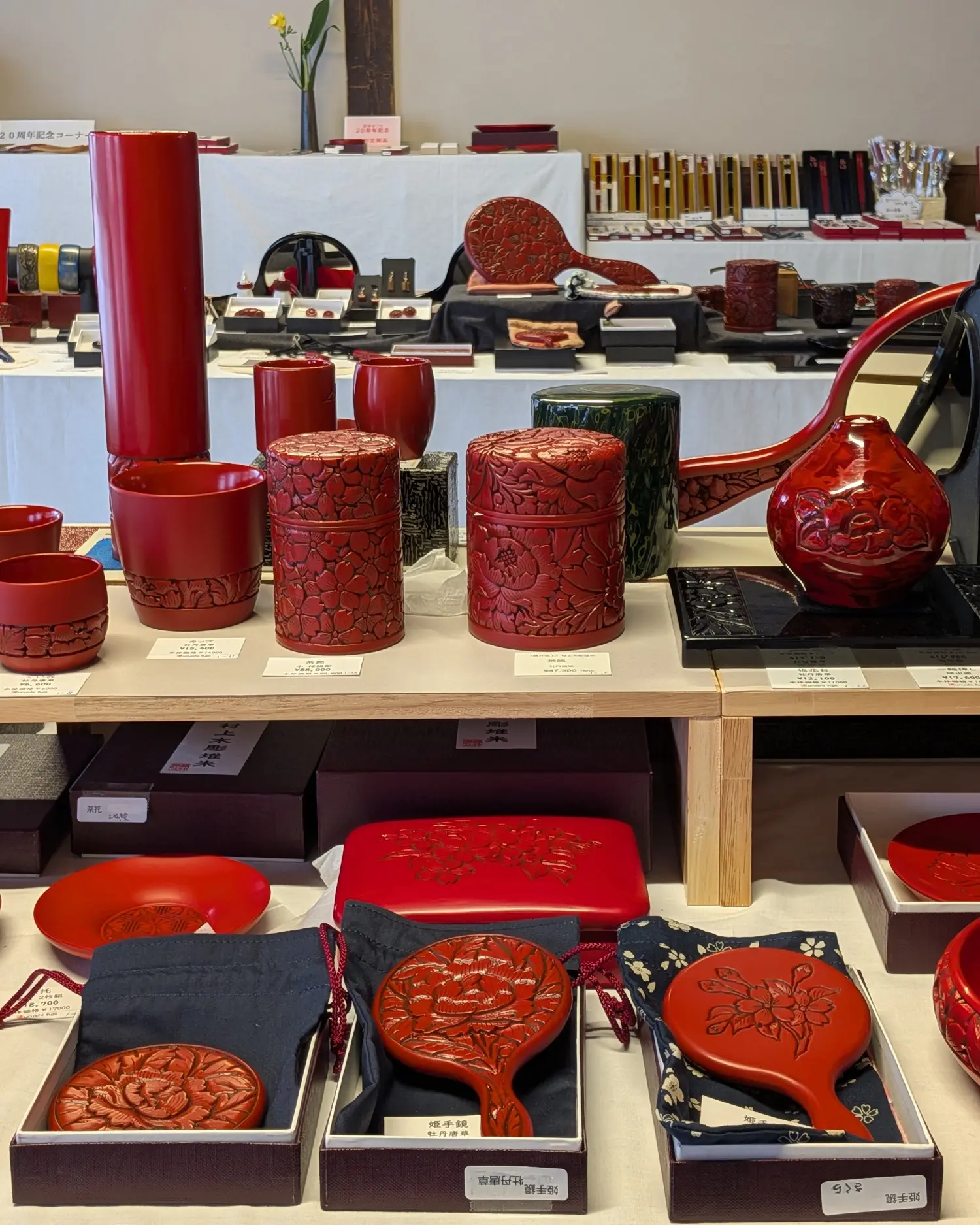
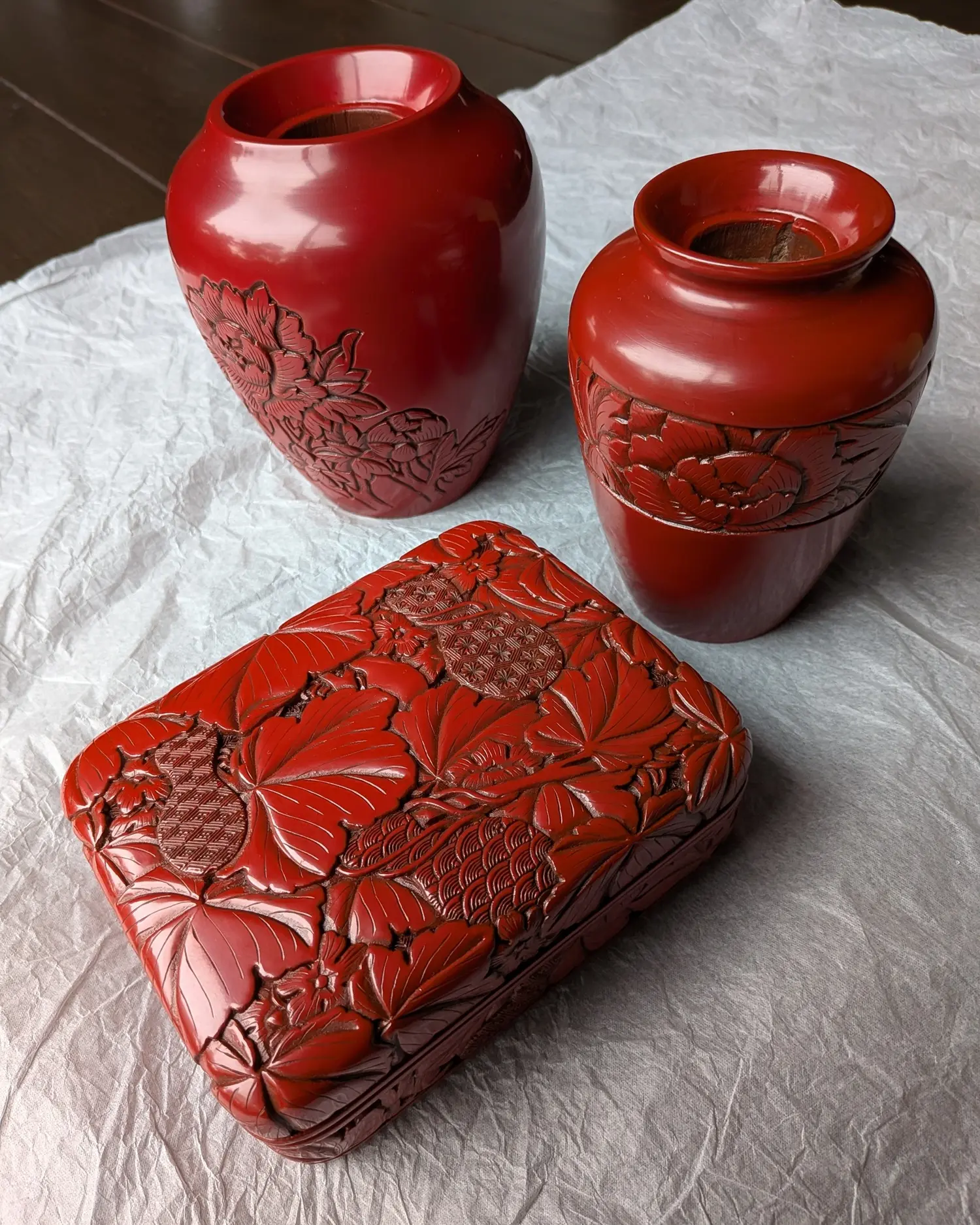
Murakami Kibori Tsuishu was designated by the Japanese government as a Traditional Craft in 1976.
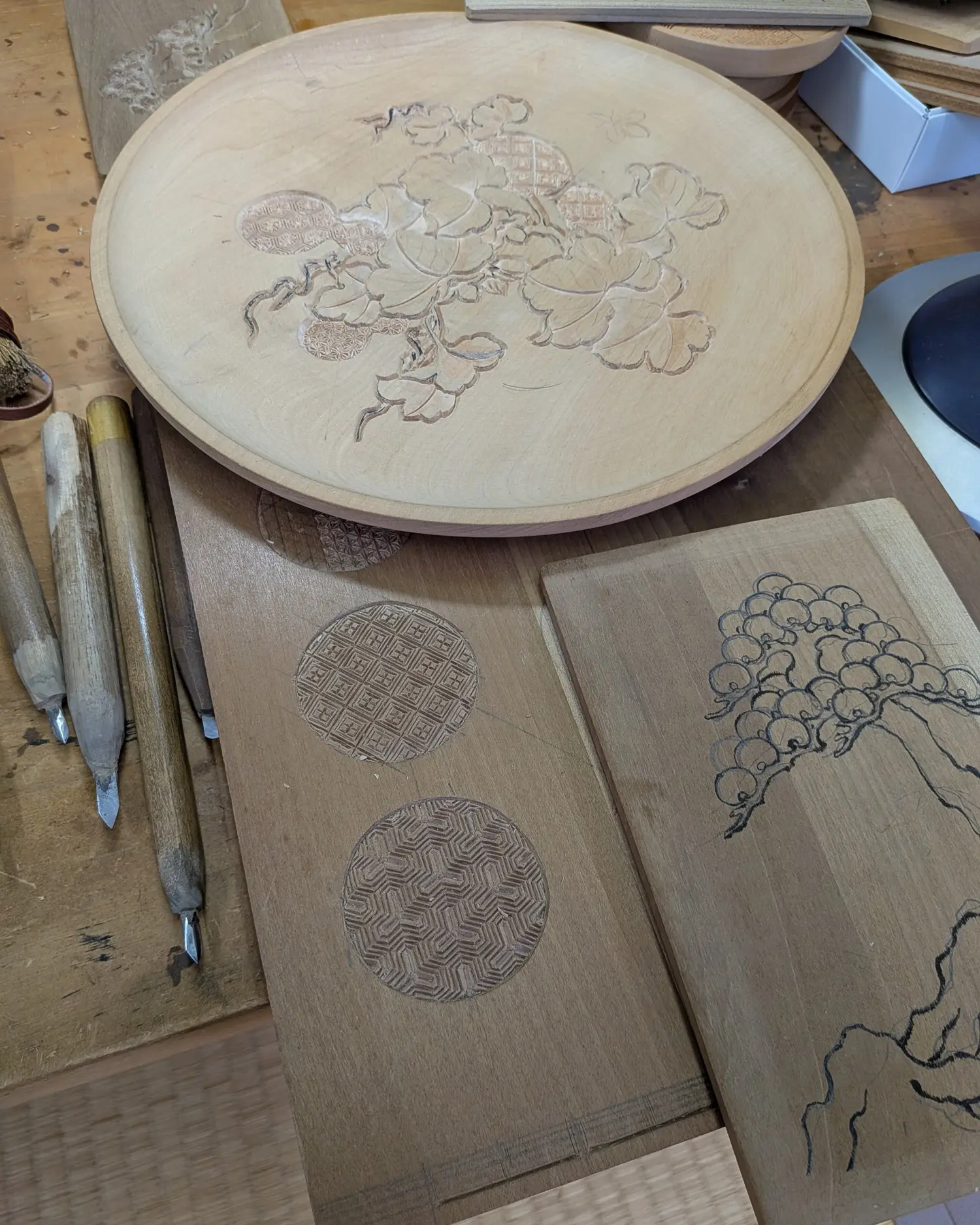
Its distinctive character comes from the combination of wood carving and lacquerwork. Designs are carved directly into a wooden base before layers of lacquer are applied through a series of specialised processes that preserve and enhance the carved surface.
The craft has developed in Murakami over generations and continues to be produced by skilled craftspeople using six distinctive carving and lacquering techniques.
At Mikimori, we explore not only how Murakami Kibori Tsuishu is made, but also its history, techniques, use and place in contemporary life.
Murakami Kibori Tsuishu: Wood-Carved Lacquerware from Murakami, Niigata, Japan
Culture and Festivals
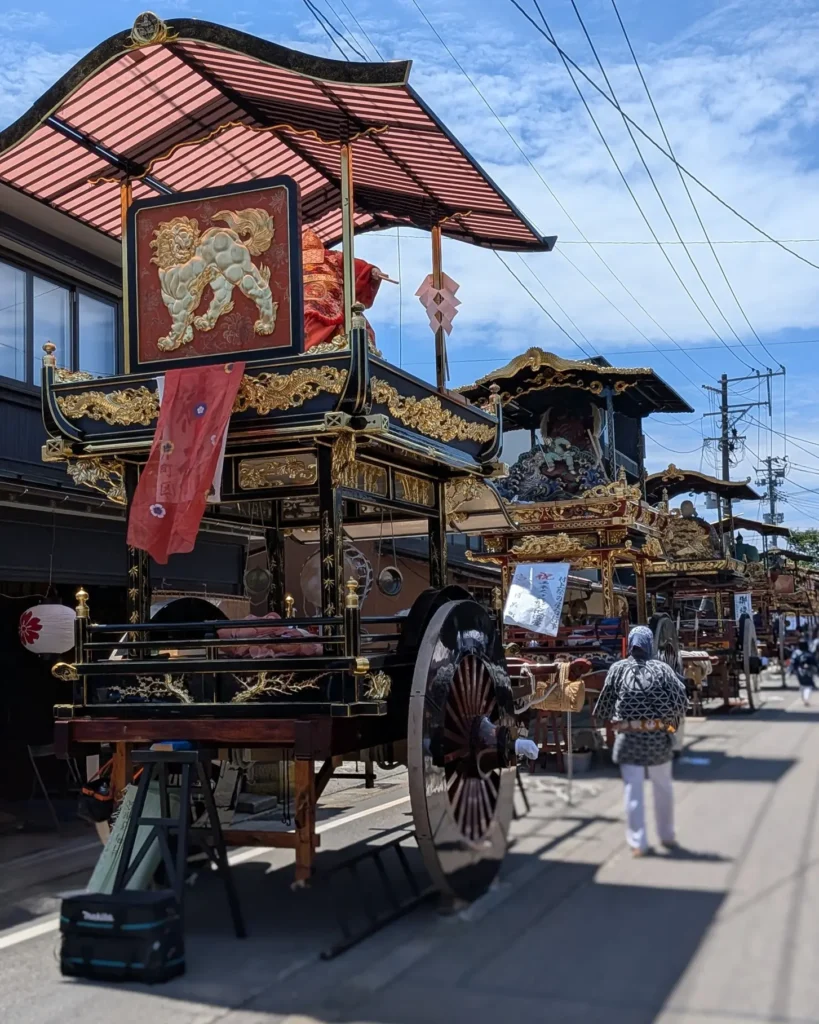
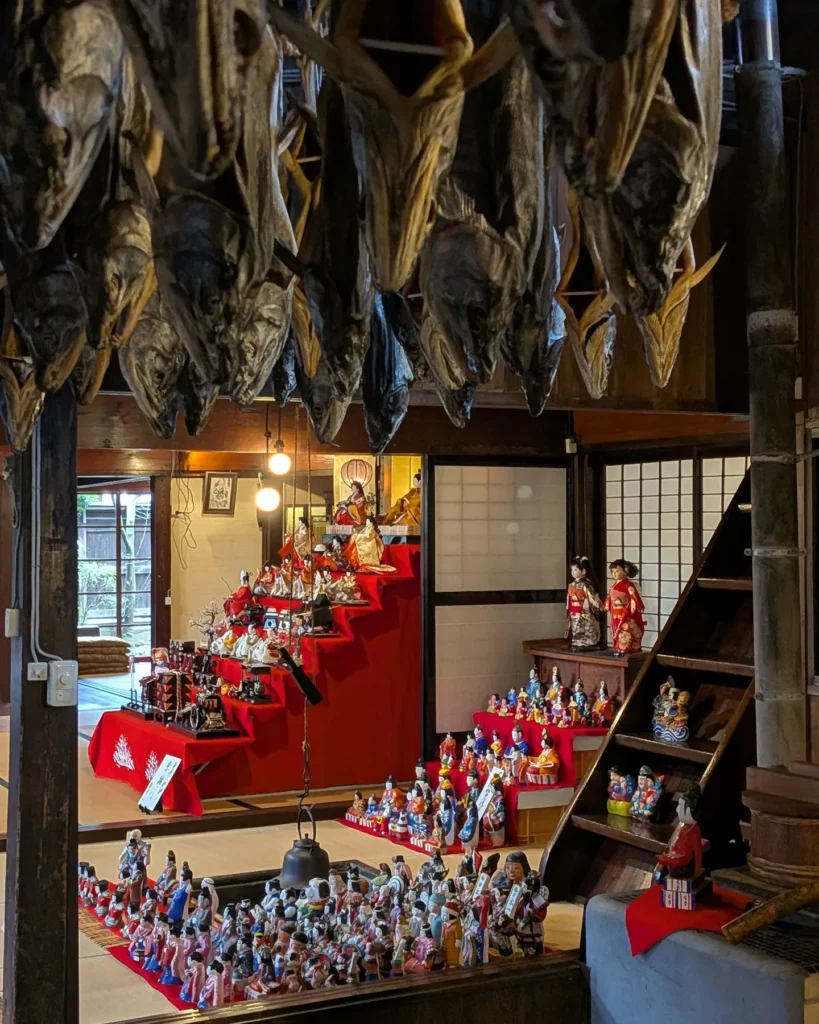
Murakami developed as a castle town, and its historic streets, shrines, temples and neighbourhoods continue to shape the character of the city.
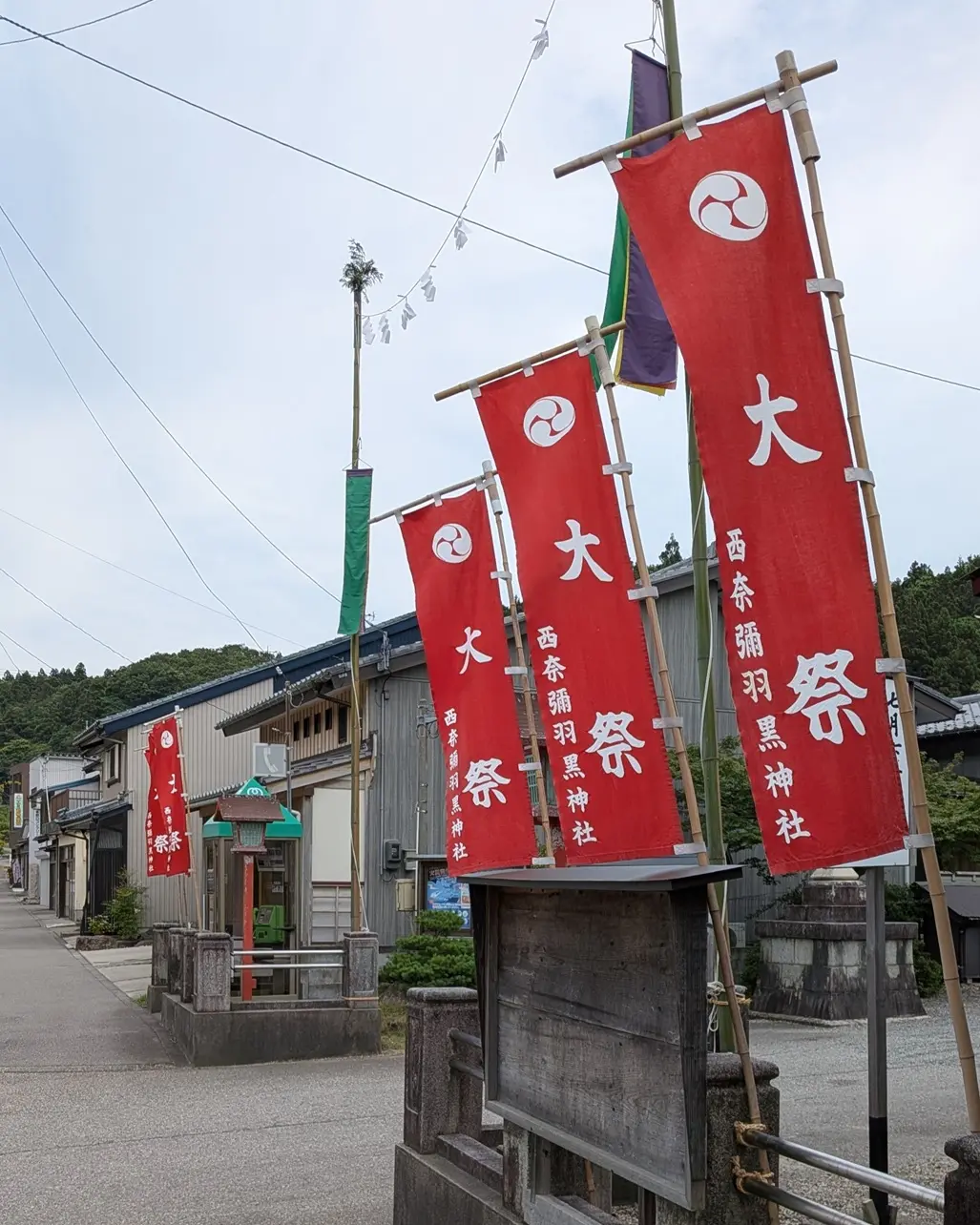
Traditional festivals and seasonal events remain an important part of local life. Mikimori records them through photographs, video and written articles, paying attention not only to major events but also to details such as festival floats, buildings, decorations, streetscapes and local customs.
Historic Streets and Everyday Murakami
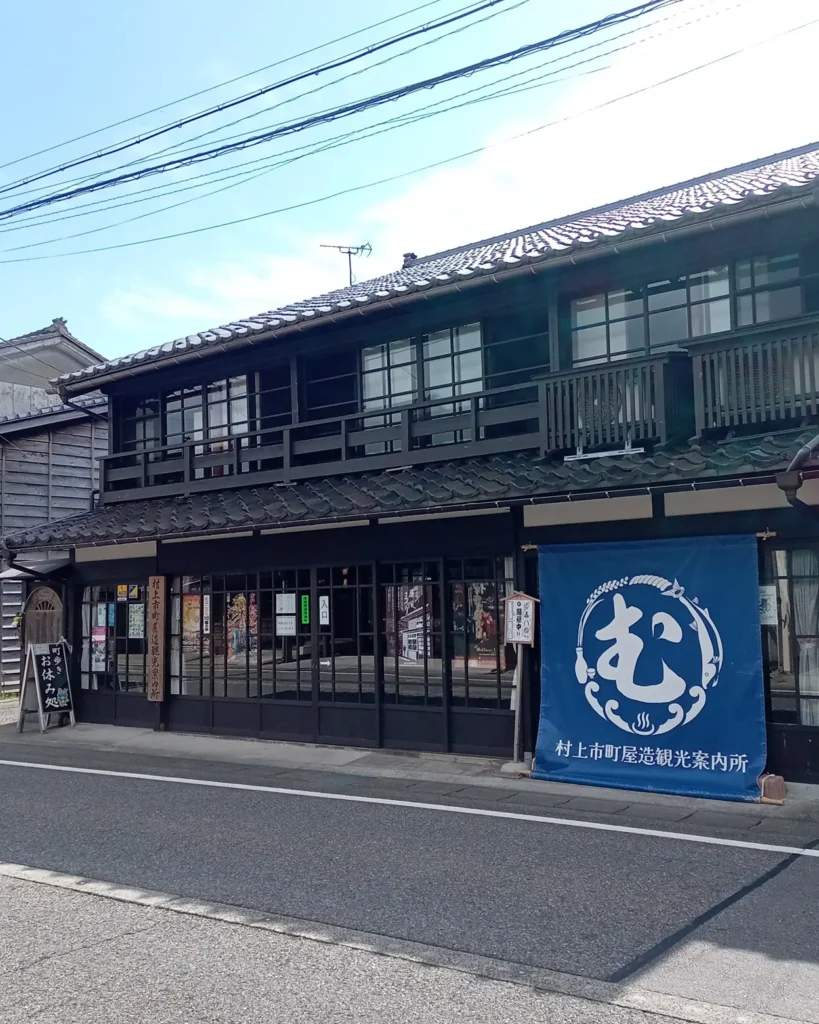
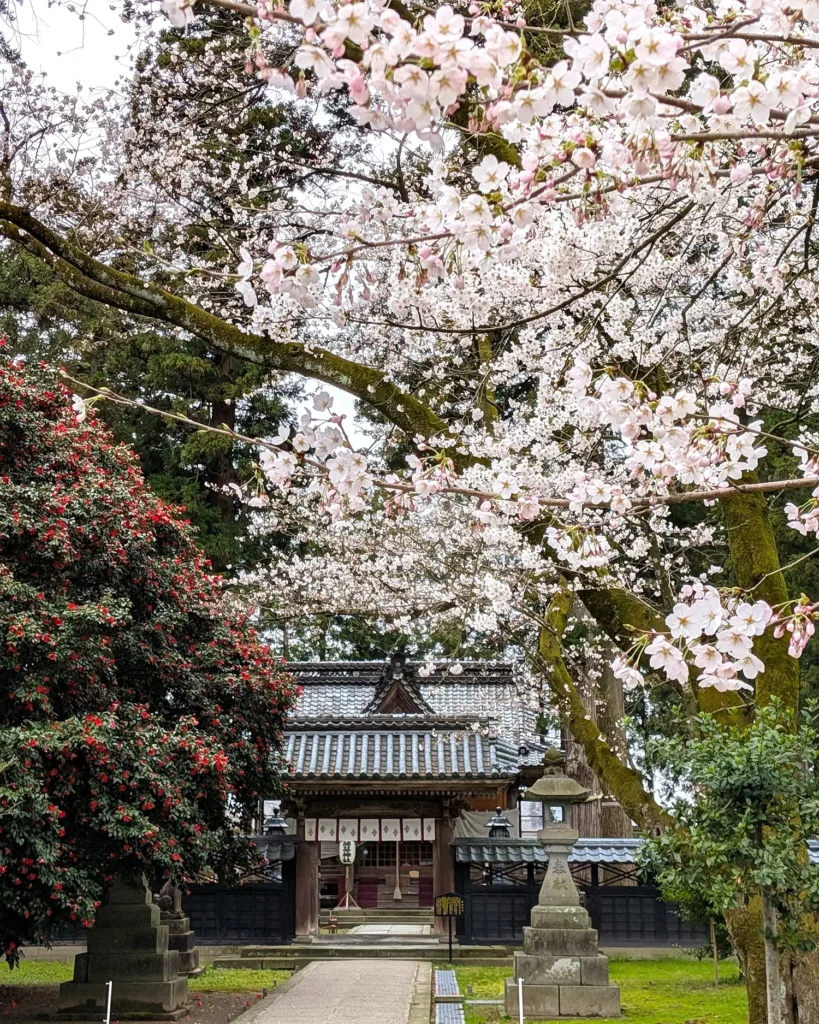
Much of Murakami’s character can be found in ordinary scenes.
Machiya townhouses, narrow streets, small shops, temples and shrines remain part of the cityscape, changing with the seasons, weather and time of day.
Our articles document these everyday surroundings alongside better-known places and events. They are part of the same living culture as Murakami’s crafts and festivals.
Landscapes of the Murakami Region
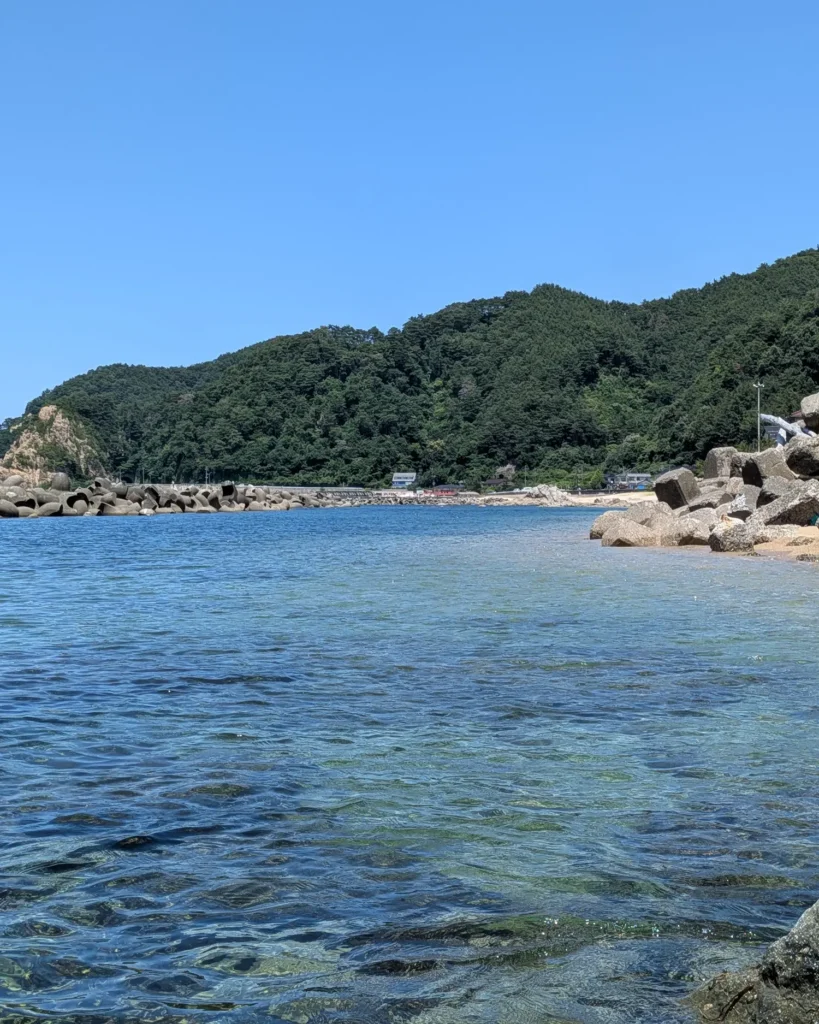
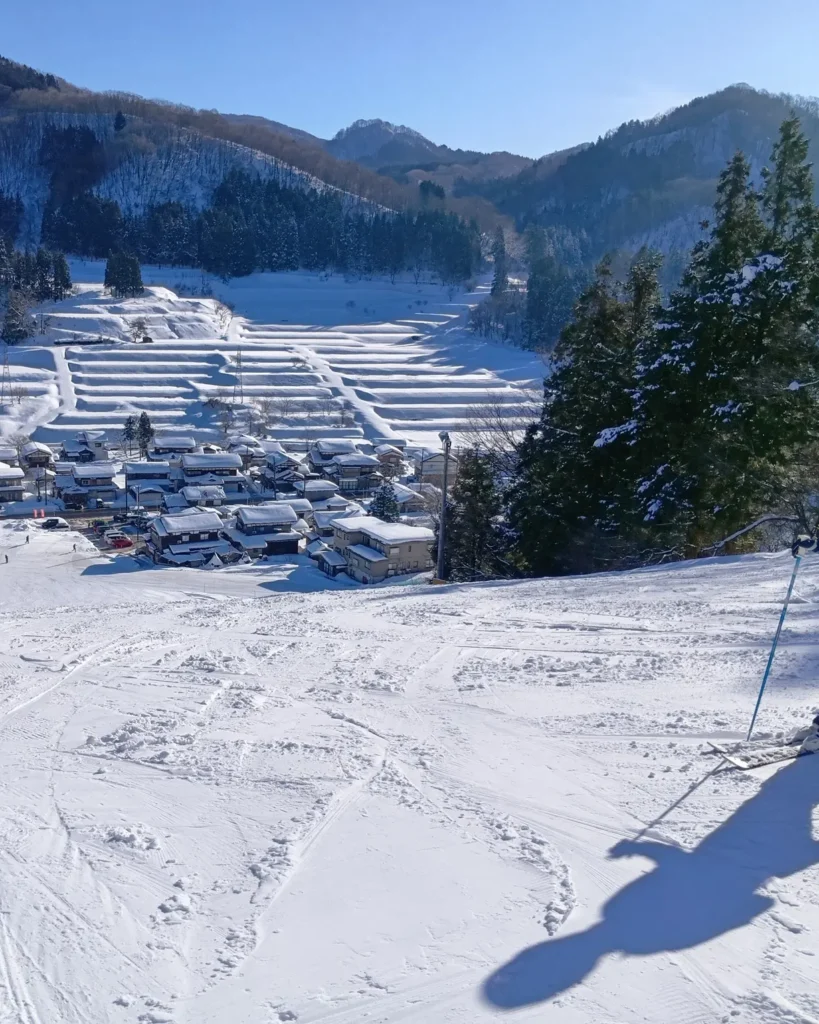
Murakami lies in northern Niigata, encompassing the Sea of Japan coastline, rivers, mountains, farmland and rural communities.
Changing skies, snow, evening light, railways, coastal scenery and seasonal landscapes all appear in Mikimori’s visual records.
Our aim is not simply to photograph famous views, but to preserve a sense of what a particular place looked and felt like at a particular moment.
MKT-6: Reimagining Lacquer Traditions

MKT-6 is an original visual project by Mikimori, inspired by the six traditional techniques of Murakami Kibori Tsuishu.
Each character draws on the colours, textures and distinctive qualities of one of the six lacquer techniques, reimagining them within a contemporary fictional world.
MKT-6 is not part of the traditional craft itself. It is an AI-assisted creative project exploring how the techniques, colours and ideas of Murakami lacquerware can inspire new forms of visual expression.
Photography and Visual Stories
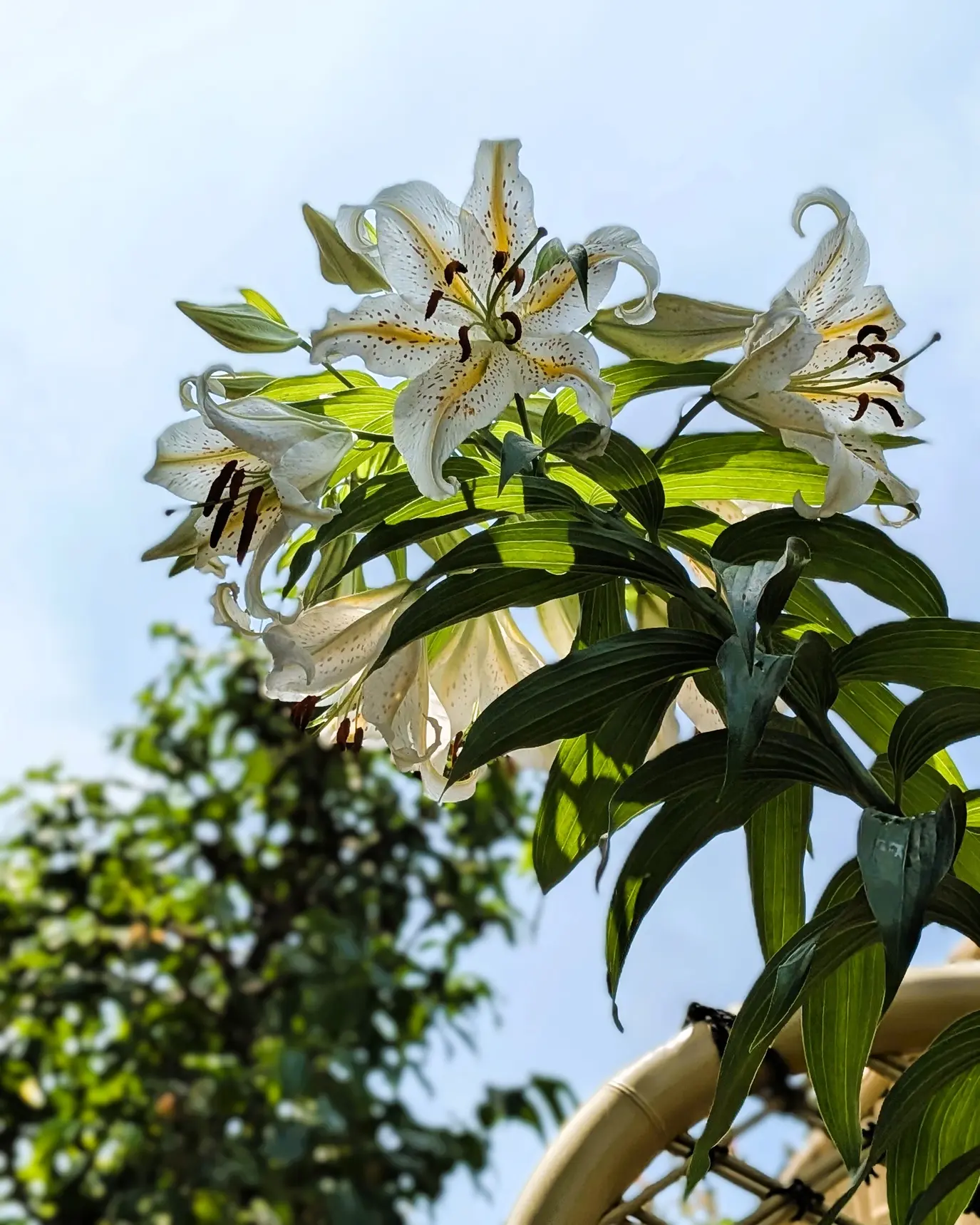

Photography is an important part of Mikimori.
Many of our articles are built around photographs taken in and around Murakami, covering traditional crafts, festivals, historic streets, landscapes and everyday scenes.
Selected photographs are also prepared as high-resolution image materials for those looking for visual content related to Murakami and Niigata.
What We Cover
English content on Mikimori is being developed gradually.
We are beginning with subjects that can help readers outside Japan discover the region, including:
- Murakami Kibori Tsuishu and lacquerware
- local festivals and cultural traditions
- historic streets and townscapes
- landscapes of Murakami and northern Niigata
- photography and visual records
- original visual projects inspired by traditional craft
New English stories will be added over time.
About Mikimori
Mikimori is a small independent project based in Murakami, Niigata.
We research, photograph and document local craft, culture and everyday life, while also developing original creative projects inspired by the region’s traditional culture.
Murakami Kibori Tsuishu is one of the central themes of the project, while our wider aim is to preserve and share stories of the Murakami region with readers both in Japan and abroad.
Japanese Website
Most of Mikimori’s content is currently published in Japanese.
Visit the Japanese website to explore the full archive of articles, photographs and visual projects.